Revitalize Your Home: Crucial Insights On Residential Improvement Projects for Each House Owner
Many householders want to find methods to enhance their living spaces through home improvement projects. These renovations extend from kitchen upgrades to complete home renovations. Knowing the choices accessible is vital for deciding wisely. Moreover, one must consider practical considerations such as setting a budget and contractor selection. When property owners embark on this process, they might encounter surprising obstacles. Achieving a successful makeover lies in careful planning and execution. What are the next necessary steps?
Knowing the Various Categories of Home Remodeling Services
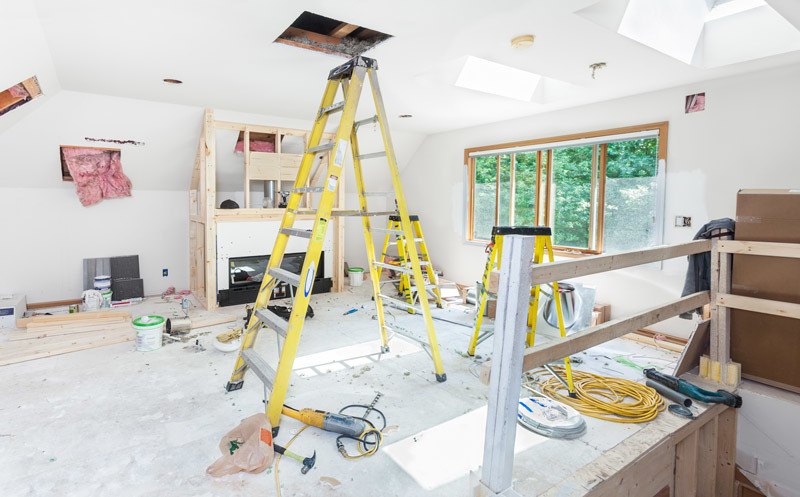
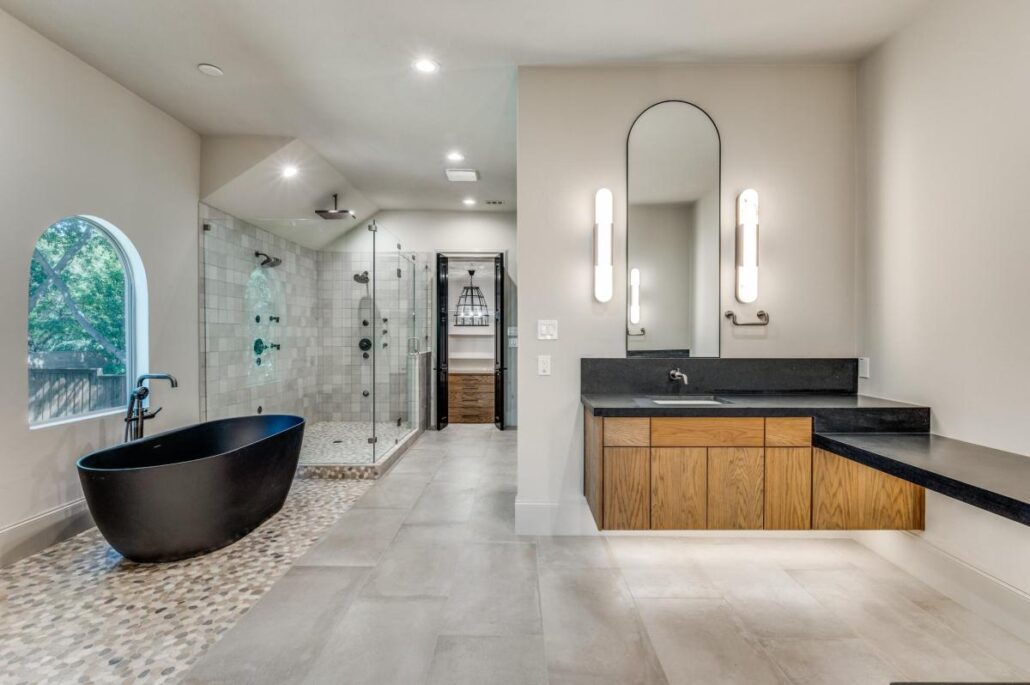
When property owners think about upgrading their living spaces, they often encounter numerous renovation options suited to various requirements and preferences. These services can be broadly categorized into a few distinct groups, each addressing specific aspects of home improvement. Renovating the kitchen involves modernizing fixtures, the cabinets, and floor plans to enhance functionality and visual appeal. Bathroom remodeling typically involves upgrading fixtures, tiling, and shelving options for greater ease and style.
Whole-home remodeling encompasses major alterations across the property, frequently involving changing the structure to optimize space and layout. External improvement work, conversely, aim to improve curb appeal, handling the exterior walls, the covering, and the yard. Furthermore, specific options including converting the cellar and upgrading the attic allow homeowners to maximize underutilized spaces. All these service types offers unique benefits, enabling homeowners to choose options that align with their vision for their living environment. Knowing these variations is essential when choosing wisely during the renovation process.
Setting a Realistic Budget for Your Remodeling Project
What steps ensure their home upgrades are kept economically sound? Setting a practical budget is essential. It is advisable for homeowners to begin by determining their fiscal limits, like savings and available loan choices. This first stage helps establish how much can be allocated for the renovation without compromising other financial responsibilities.
Next, homeowners must investigate the expenses linked to their planned updates, including materials, labor, and surprise expenses that tend to crop up. Making an exhaustive list of needs aids in separating necessities from non-essential items, making it possible to adjust if funds become limited.
It is smart to incorporate a reserve fund, typically around 10-20% of the total budget, to cover unexpected costs. Regularly reviewing and adjusting the budget as the updating work progresses can further assist in keeping finances in check. Ultimately, a well-planned budget ensures the project is feasible but also improves the entire renovation process for homeowners.
Choosing the Right Contractor for Your Requirements.
Finding a suitable builder can greatly impact the success of a remodeling project. Homeowners should begin by performing extensive investigation, looking for suggestions from acquaintances, relatives, or web feedback. It is essential to confirm documentation, including licenses, insurance, and bonding, to verify their standing.
When prospective builders are located, they should seek detailed cost breakdowns and timeframes, making it possible to compare options knowledgeably. Discussions reveal their approach to dialogue and their level of expertise, which are crucial for working together effectively.
In addition, looking at completed jobs through galleries or recommendations shows the builder's standard of work. Property owners must also ask about guarantees or assurances, which shows the professional's belief in their output.
Finally, picking a builder whose approach fits the property owner's ideas, cost plan, and timeframe fosters a more positive remodeling experience, making certain the outcome satisfies needs and transforms the living space effectively.
Structuring and Laying Out Your Perfect Area.
As homeowners envision their ideal spaces, meticulous organization and deliberate design become essential components of a triumphant renovation effort. The first step involves evaluating current needs and future aspirations, allowing for a thorough understanding of how the space will be used. Homeowners should consider practicality, visual appeal, and their individual taste, to guarantee the design showcases their unique preferences.
Next, developing a comprehensive budget is essential. This budget should account for materials, workforce costs, and possible unexpected costs. Consulting with design experts can provide valuable insights, helping to optimize the space while adhering to budgetary constraints.
Integrating components like ample daylight, open layouts, and eco-friendly supplies can improve the final result. Finally, visualizing the project through drawings or computer models can assist in finalizing plans before implementation. By thoughtfully tackling the design and planning stage, homeowners can design a welcoming, practical area tailored to their lifestyle.
Understanding Regulations and Permits in House Renovation
Grasping the intricacies of permits and rules can be daunting for homeowners embarking on a renovation. Every city or county maintains distinct regulations that dictate what is permissible during renovations, typically guided by area restrictions, construction standards, and safety standards. Owners need to acquaint themselves with local regulations so they don't incur hefty fees or setbacks in the timeline.
Generally, securing permits is essential for substantial modifications, such as structural changes or new wiring installations. This process often involves submitting plans for review and could involve check-ups at various stages.
Hiring an experienced builder can streamline these steps, as they are typically experts in municipal rules and can aid in filing necessary forms. Owners must also maintain clear communication with the municipal planning office to ensure adherence throughout the project. By comprehending and working within these rules, homeowners can achieve their remodeling goals and maintaining compliance with the law in their renovations.
Common Queries
What is the Duration of a Standard Home Renovation?
The average remodeling job typically dive in spans between three to six months, based on the size of the job, scale of the house, and supply chain status. Complex projects may require additional time for completion.
What's the best way to avoid frequent blunders to avoid throughout the renovation process?
Frequent errors when renovating a home include underestimating budgets, not securing the required permissions, not adhering to the project schedule, failing to communicate effectively with the construction team, and ignoring long-term functionality. Knowing these potential problems can lead to a less stressful, more positive renovation outcome.
How should I go about choosing the right materials for my project?
Choosing the right materials requires assessing durability, the look and feel, and cost constraints. Researching options, consulting professionals, and considering maintenance needs are vital steps in reaching educated conclusions, making sure the renovation matches your needs and preferences.
Will I be able to reside in my property during renovations?
It is possible to remain in their home during renovations, but it might cause disruption. Thorough preparation, maintaining open dialogue with your builders, and designating specific areas where you can live normally can help minimize disruption during the process.
What warranties should I expect by my builders?
Clients typically receive warranties that guarantee the quality of the work, the supplies used, and structural components, which usually last between one to ten years. It is essential to examine the exact provisions in partnership with the renovation company to clearly grasp what is covered and what is excluded.